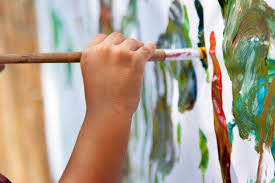
Arts and crafts are crucial for pre-primary school pupils, fostering development by enhancing fine motor skills (cutting, gluing), boosting creativity, and strengthening cognitive abilities like spatial awareness and problem-solving. It serves as a medium for emotional expression, emotional regulation, and improved confidence, while developing social skills like sharing and teamwork.
Key Developmental Benefits;
Creativity & Innovation: Encourages imagination and self-expression through exploration of shapes, colors, and textures.
Fine Motor Skill Development: Activities like painting, holding crayons, and molding clay build finger strength and hand-eye coordination.
Cognitive Growth: Art promotes decision-making, critical thinking, and spatial reasoning as children plan, analyze, and execute their creative ideas.
Social & Emotional Regulation: It provides a calming outlet to express emotions they cannot verbalize, reducing stress, and encourages patience, grit, and pride in their achievements.
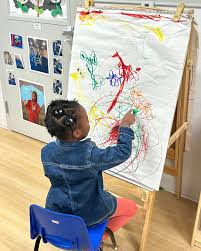
Usage Examples in Early Childhood Education:
Emotional Expression: Painting, scribbling with colors, or using clay to model feelings helps children manage their emotions and reduces anxiety. These activities are essential, and their impact goes beyond entertainment, nurturing a holistic approach to early education.
Physical Dexterity: Cutting with scissors, tearing paper, threading beads, and manipulating dough strengthen hand muscles.
Cognitive Thinking: Using recycled materials to build a “firecracker” or constructing a 3D sculpture helps children learn spatial concepts and planning.
Socialization: Group projects such as a large collage or mural teach children to share, take turns, and offer constructive feedback to peers.